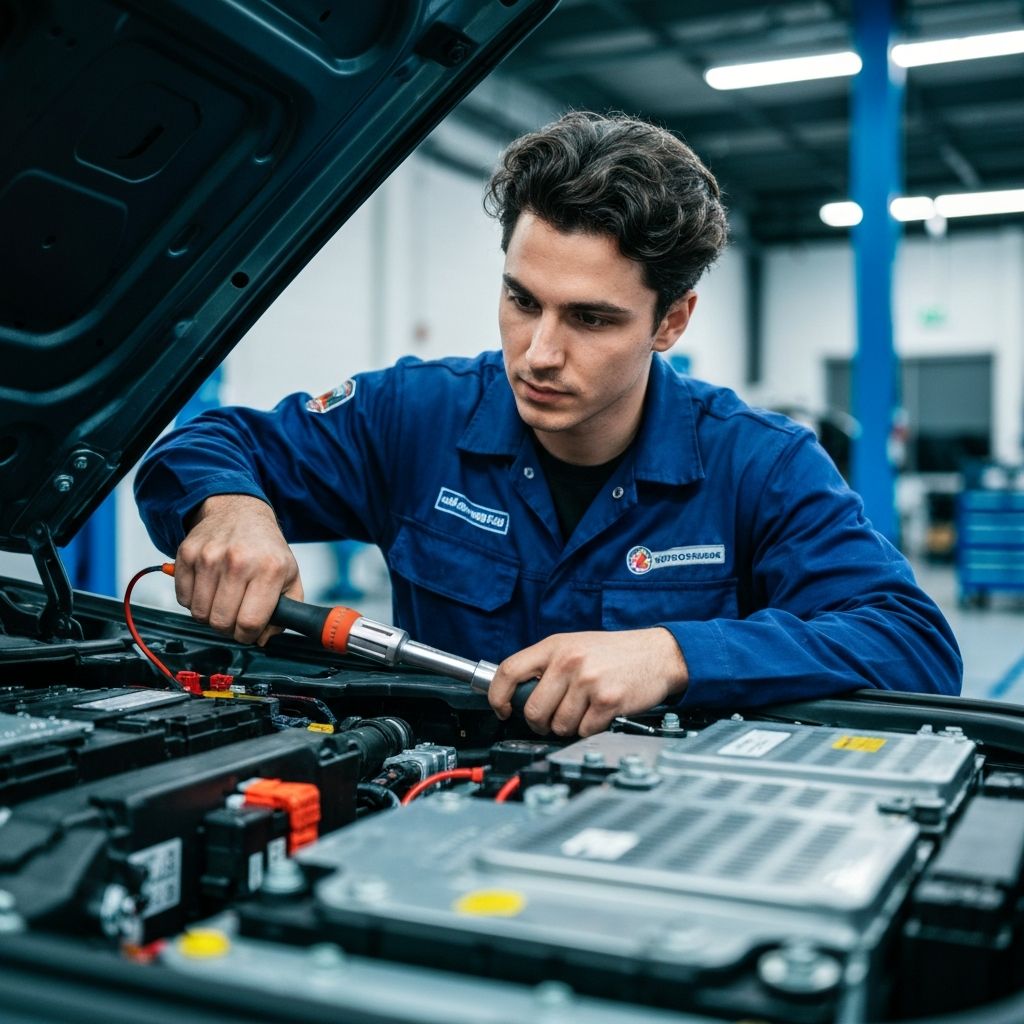
The electric vehicle revolution is creating workforce demands that extend far beyond traditional automotive engineering. Global electric car sales topped 17 million in 2024, accounting for over 20% of new car sales. This explosive growth is reshaping what it means to work in automotive.
The common misconception is that EV jobs require advanced engineering degrees. In reality, the industry desperately needs workers across a wide spectrum of roles. Battery technicians, machinists, assemblers, industrial production managers, electricians, and power-line installers for charging infrastructure are all in high demand.
Here's the encouraging news for job seekers: many of these EV jobs can be learned through experience, apprenticeships, or short-term training programs. A four-year degree isn't required for many of the fastest-growing positions.
States are responding with innovative training programs. Michigan's EV Jobs Academy provides hands-on training specifically designed for the electric vehicle industry. Ohio's Super RAPIDs program offers accelerated pathways into EV manufacturing and service roles. These programs recognize that traditional automotive training needs updating for the electric era.
For existing automotive professionals, the transition presents both challenges and opportunities. Technicians with strong diagnostic skills and electrical knowledge are well-positioned to upskill into EV service roles. The fundamentals of customer service, attention to detail, and systematic problem-solving transfer directly.
Dealerships investing in EV training for their existing workforce are seeing returns in both employee retention and service quality. Workers appreciate employers who invest in their future, and customers increasingly expect service centers to handle their EV needs competently.
The key insight: the EV transition isn't about replacing the automotive workforce—it's about evolving it. The technicians, advisors, and managers who adapt will find expanded opportunities and higher earning potential.