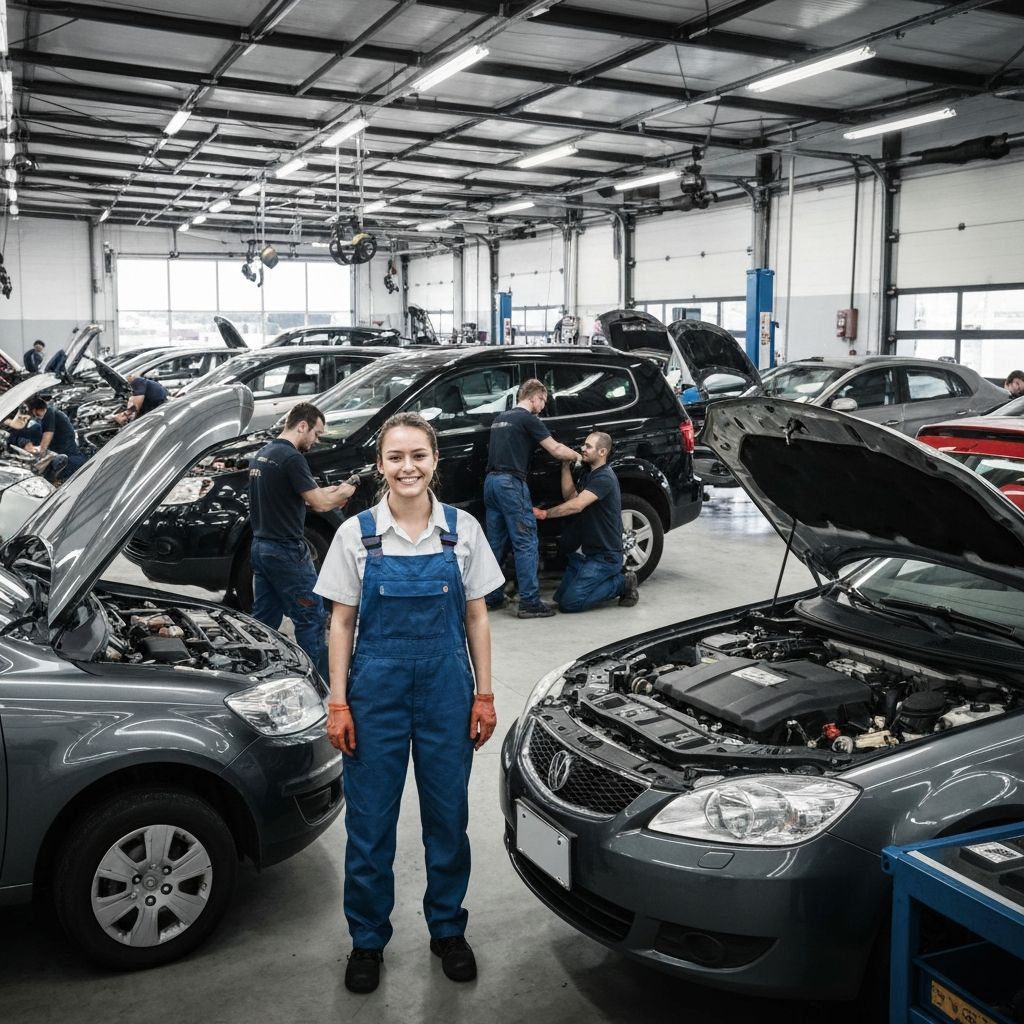
The automotive industry is facing one of its most significant workforce challenges in decades. Ford CEO Jim Farley recently made headlines when he revealed the company cannot fill 5,000 mechanic positions paying $120,000 annually, calling it a sign that "we are in trouble in our country."
The numbers paint a stark picture. The automotive industry faces an annual shortfall of approximately 37,000 trained technicians. According to the Bureau of Labor Statistics, there will be an average of 67,800 openings for automotive service technicians and mechanics each year through 2033. Yet training programs aren't producing nearly enough graduates to meet this demand.
What's driving this shortage? Several factors converge to create this perfect storm. First, the perception problem: many young people view automotive careers as "dirty work" without recognizing the technological sophistication modern vehicles require. Today's technicians work with advanced computer systems, electric powertrains, and sophisticated diagnostic equipment.
Second, the aging workforce compounds the issue. Experienced technicians are retiring faster than new ones enter the field. Many shops report their most skilled workers are approaching retirement age, with few qualified replacements in the pipeline.
Third, the skills gap has widened dramatically. Modern vehicles—especially EVs and hybrids—require expertise in high-voltage systems, advanced driver assistance systems (ADAS), and complex software diagnostics. Many existing technicians lack training in these emerging technologies.
The silver lining: trade school enrollment saw a 16% spike last year, reaching a record high since 2018. This suggests attitudes may be shifting as younger workers recognize the earning potential and job security in skilled trades.
For dealerships and service centers, the key is developing comprehensive recruitment strategies that address both immediate needs and long-term talent development. This includes competitive compensation, clear career pathways, training investments, and partnerships with technical schools.