Advanced Driver Assistance Systems (ADAS) have transformed from luxury features to standard equipment. Lane departure warnings, automatic emergency braking, adaptive cruise control, and parking assistance systems are now in most new vehicles. This proliferation creates both challenges and opportunities for automotive technicians.
The skills gap is significant. ADAS calibration requires understanding of cameras, radar, lidar, and complex sensor fusion systems. When a windshield is replaced, sensors must be recalibrated. When alignment is performed, ADAS systems need adjustment. Many shops lack the equipment, training, or expertise to perform this work.
For technicians, ADAS expertise represents a clear path to higher earnings. Calibration work commands premium labor rates, and technicians with these skills are in extremely short supply. Investing in ADAS training now positions technicians for the vehicles that will dominate service bays for the next decade.
The training landscape is evolving rapidly. OEM training programs provide the most comprehensive education, though they're often limited to dealer technicians. Independent training providers are expanding their ADAS offerings. I-CAR has developed specific courses for ADAS calibration.
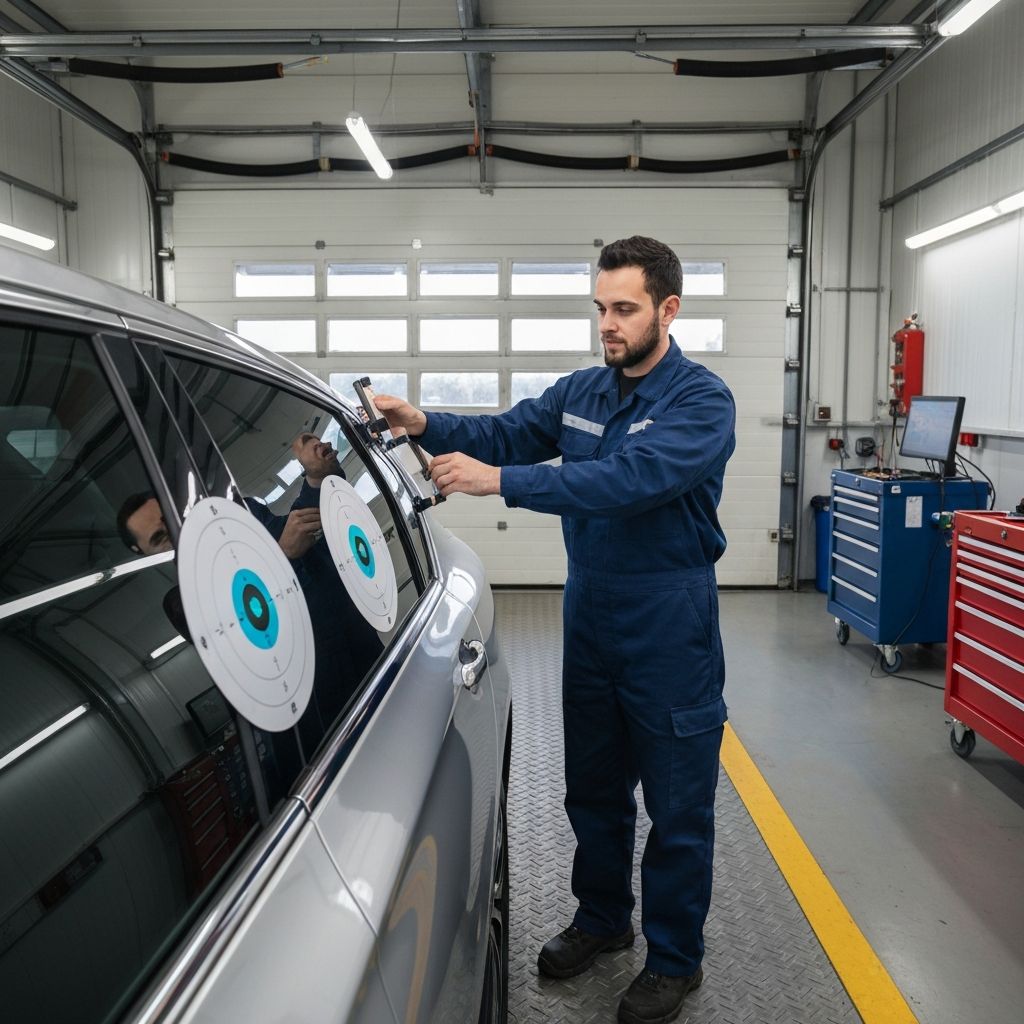
Equipment investment is substantial but necessary. Static and dynamic calibration targets, specialized scan tools, and proper workspace requirements mean ADAS work isn't something shops can add casually. However, the return on investment can be excellent given the premium pricing and growing demand.
For service managers, building ADAS capabilities is increasingly essential. As the vehicle population with these features grows, customers will expect their service provider to handle calibration needs. Shops that can't perform this work will lose customers—and the associated repair work—to competitors who can.
The technicians who master ADAS today are positioning themselves at the forefront of automotive service evolution.